
How to Spot AC Issues Before Summer Arrives in Northeast Michigan
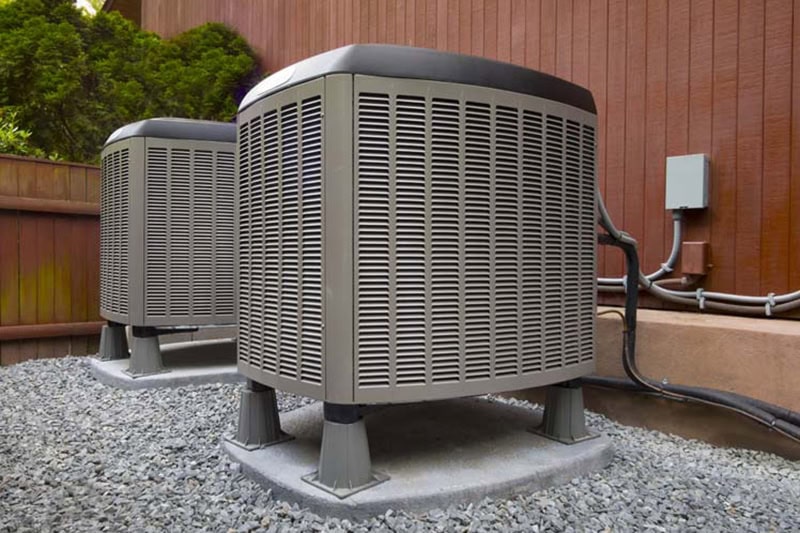
Class is in session.
Today, with our help at Root's Heating and Cooling, you will learn the language of AC troubleshooting.
You may not realize it, but your AC unit talks to you about its problems all the time. You simply need to understand what it is telling you before it breaks down.
Why Should You Learn About AC?
Recognizing AC performance issues early can save money on repairs and prevent a mid-summer emergency in your Millington, MI home. It also stops small, inexpensive fixes from spiraling into a total system replacement during muggy, hot weather.
At Root’s, we help our neighbors from Willington to Alpena and Bay City deal with AC issues. When there is no easy AC repair or DIY fixes, we step in with professional assistance. We encourage our customers to learn as much as they can about their HVAC system.
Ready to become fluent in AC red flags? Let’s start with lesson #1: poor airflow.
Is Your Cooled Air a Gasp or Steady Flow?
One of the most common complaints we hear at Root’s is that the AC is not cooling certain rooms, or the air coming out of the vents feels weak. Poor airflow can be the first domino to fall in a series of mechanical failures.
Restricted airflow, making some rooms stuffy and others feel freezing, indicates a blockage, and the culprit can be as simple as a dirty filter.
A clogged filter forces your blower motor to work harder to pull air through layers of dust and debris. Eventually, it will burn out. Your system’s evaporator coil might also freeze.
Obstructed return air vents or leaky ductwork can also cause poor airflow. Check all vents in your home to ensure furniture, drapes, and other items are not blocking them, and inspect accessible air ducts for cracks and holes. If a tear or a duct is disconnected, you might be cooling your attic instead of your living room.
Use duct mastic or foil tape to repair the damage, or call our Root’s experts for professional repairs.
If moving obstructions away from vents, repairing ductwork, and replacing the air filter do not boost weak airflow, it’s time to look a little deeper with help from a Root’s technician.
Your next troubleshooting lesson is about an annoying problem that can shorten your unit’s life.
Is Your AC Short-Cycling?
If your air conditioner turns on and off every 5-10 minutes, it is short-cycling, a condition that can significantly shorten your equipment’s lifespan.
An air conditioner is supposed to run in steady cycles that lower the temperature and remove humidity from the air. When it short-cycles, it never stays on long enough to dehumidify your home, leaving you feeling sticky even if the air is cool.
Constant starts and stops also wear down the compressor and consume a huge amount of electricity, spiking your utility bills.
What causes short cycling? It could be something as simple as a miscalibrated thermostat or as complex as an oversized unit.
This problem requires immediate attention because it stresses the compressor, the expensive heart of your system. If your AC unit is short-cycling, call us for AC repair immediately.
Another issue, refrigerant leakage, can harm the environment and compromise your comfort. How do you spot it? That’s lesson #3.
Is Your AC Losing Refrigerant?
Spotting low refrigerant signs requires some detective work. Look for ice forming on the copper refrigerant lines or the outdoor condenser unit, even in hot weather.
You might also hear a faint hissing or bubbling sound coming from the unit. When the refrigerant is low, the system struggles to absorb heat, which means the air coming from your indoor vents feels lukewarm.
Your AC is a closed system, meaning that the refrigerant should stay at the same level for the life of the unit. Your AC doesn’t consume refrigerant, and the copper lines aren’t an open-loop system. Low refrigerant levels indicate a leak.
If you have an older AC unit, it might use either R-22, a refrigerant that can deplete the Earth’s ozone layer, or R-410A, a refrigerant with a high global warming potential (GWP) that contributes to climate change.
One of our Root’s technicians can locate the leak, seal it, and then recharge the system, ensuring the refrigerant does not harm the environment or you!
DIY Fixes vs. Professional Repairs
We believe homeowners in Millington, MI and surrounding areas should feel comfortable handling basic maintenance. However, the key to safe AC maintenance is knowing your limits.
If your AC is showing you red flags, start with the basics:
- Thermostat: Set it to “cool,” and if it uses batteries, ensure they are fresh.
- Air Filter: If you can’t see light through it, replace it.
- Clean Outdoors: Remove tall grass, weeds, and debris from around the outdoor unit.
If you encounter electrical issues, such as a circuit breaker that keeps tripping, or if you suspect a refrigerant leak, put the tools down and get professional help.
Even if your AC unit doesn’t exhibit any concerning red flags, spring maintenance prepares it for the summer cooling season. We offer a precision tune-up and safety inspection that may help extend your equipment’s lifespan, improve its efficiency, and lower the risk of emergency repairs. Our Annual Maintenance Plan includes AC maintenance and so much more!
Turn to Root’s for Lasting AC Repair
Michigan summers are too short to spend suffering in a hot house because of an AC breakdown. By recognizing and acting on AC red flags now, you can enjoy stress-free cooling in Millington, MI this season. At Root's Heating and Cooling, we can help with maintenance, repairs, or replacements. Call us at (989) 871-2067 or request service online. Class dismissed!

